Road trips are supposed to be about the destination, the open road, and the freedom to explore. But if you deal with knee pain while driving, spending hours in the car can make the journey itself uncomfortable.
Maybe your knees start aching after the first hour. Maybe you find yourself constantly shifting in your seat, trying to stretch your legs, or counting down the miles until the next rest stop. And sometimes, the worst stiffness doesn't hit until you finally get out of the car.
Knee pain on long car rides is a common complaint, especially for people managing previous knee injuries, arthritis, or stiffness from prolonged sitting. The good news? A few simple adjustments to your driving routine and knee support can make long trips more comfortable.
Here's what to know before your next road trip.
Why Do Your Knees Hurt During Long Drives?
When you're driving, your knees often remain bent in a similar position for extended periods. Unlike sitting at home, where you can easily stretch out or change positions, a car seat limits how much you can move.
Several factors can contribute to knee discomfort during long drives.
1. Your Knees Stay Bent for Hours
Your knees are designed to bend and straighten throughout the day. But long car rides often keep them in a relatively fixed position.
For some people, prolonged knee flexion can contribute to stiffness, aching, or discomfort, particularly if they already have an underlying knee condition.
2. Your Car Seat Doesn't Provide Dedicated Knee Support
Modern cars offer adjustable headrests, lumbar support, heated seats, and countless comfort features.
But what about your knees?
Most car seats support your hips, thighs, and back without offering a dedicated way to position or support your knees.
That means you may spend hours trying to find a comfortable position without having the support you need.
3. Limited Legroom Makes Repositioning Difficult
Even in a spacious vehicle, the dashboard, center console, pedals, and seat configuration can limit how freely you move your legs.
Passengers may have a little more flexibility, but they can still experience stiffness after sitting for several hours.
4. Existing Knee Conditions Can Make Sitting More Uncomfortable
People recovering from knee injuries or managing conditions such as osteoarthritis or patellofemoral pain may be particularly sensitive to prolonged sitting.
If you regularly experience knee pain after sitting at your desk, in a restaurant, or on an airplane, you may notice similar discomfort during long drives.
Why Do Your Knees Feel Stiff When You Get Out of the Car?
You've finally reached your destination. You open the car door, put your feet on the ground, and stand up.
Then comes that familiar stiffness.
After spending hours in a seated position, your knees may need a little time to feel comfortable moving again. This can be especially noticeable after long periods without changing position.
Some people experience discomfort around the kneecap, while others notice tightness behind the knee or general stiffness during their first few steps.
Although temporary stiffness can occur after prolonged sitting, persistent pain, swelling, or difficulty bearing weight deserves medical evaluation.
7 Ways to Protect Your Knees on Long Road Trips
You can't eliminate every minute of sitting during a road trip, but you can make the experience easier on your knees.
1. Adjust Your Seat Before You Leave
Before starting a long drive, take a few minutes to check your seating position.
Your seat should allow you to comfortably reach the pedals and steering wheel without stretching or crowding your legs.
Avoid positioning your seat so close to the dashboard that your knees feel excessively bent or cramped.
For drivers, safety always comes first. You should be able to operate the pedals fully and comfortably without anything interfering with your movements.
2. Take Regular Breaks to Move
One of the simplest ways to reduce discomfort from prolonged sitting is to interrupt it.
Build short stops into your road trip so you can get out, walk around, and gently move your legs.
A reasonable starting point is a break approximately every one to two hours, adjusted to your comfort, mobility, and medical needs.
Even a few minutes outside the car can provide an opportunity to change positions.
3. Give Your Knees Dedicated Support While Sitting
Your back has lumbar support. Your head has a headrest. But your knees are often left without dedicated support.
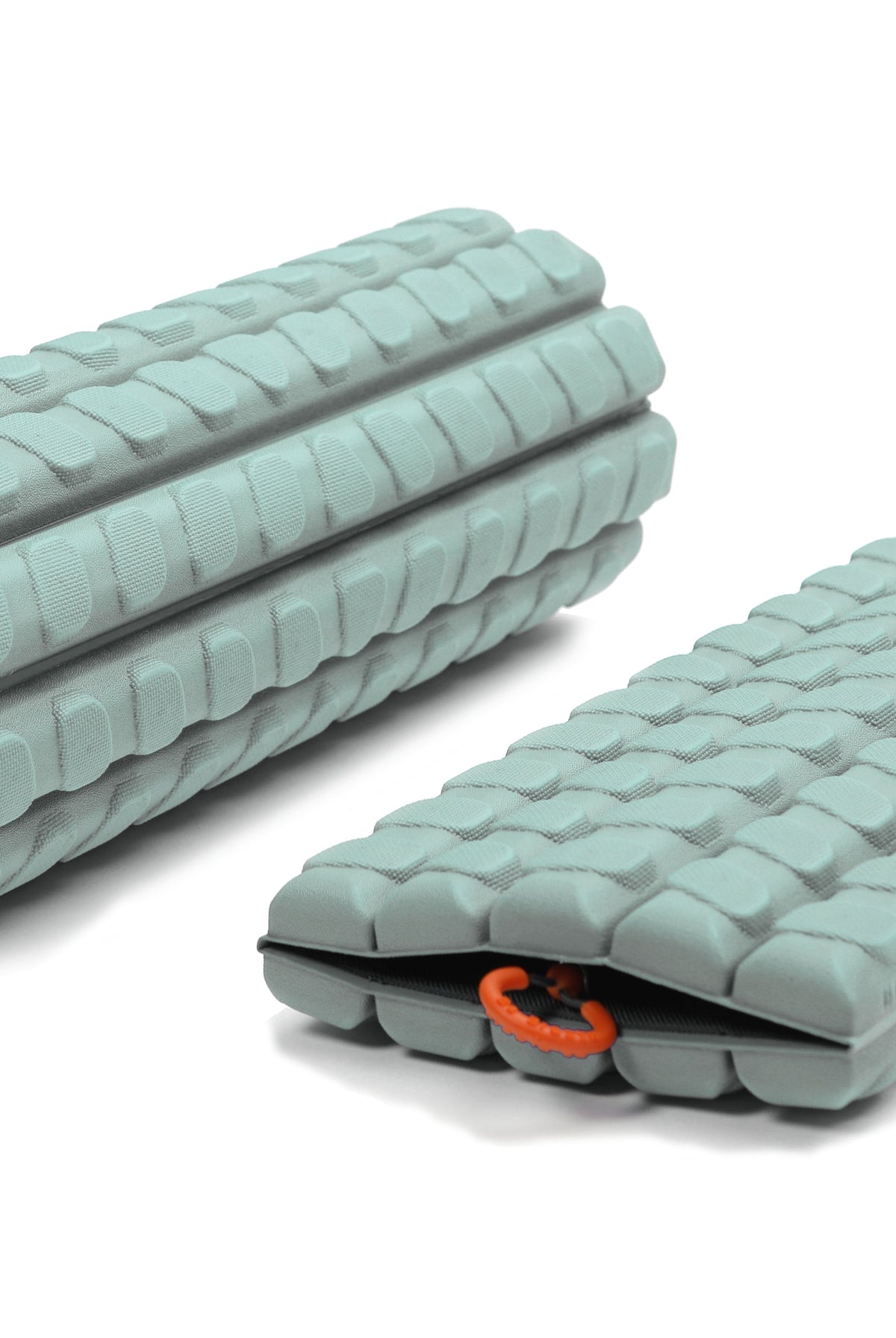
That's the gap Angglz was designed to address.
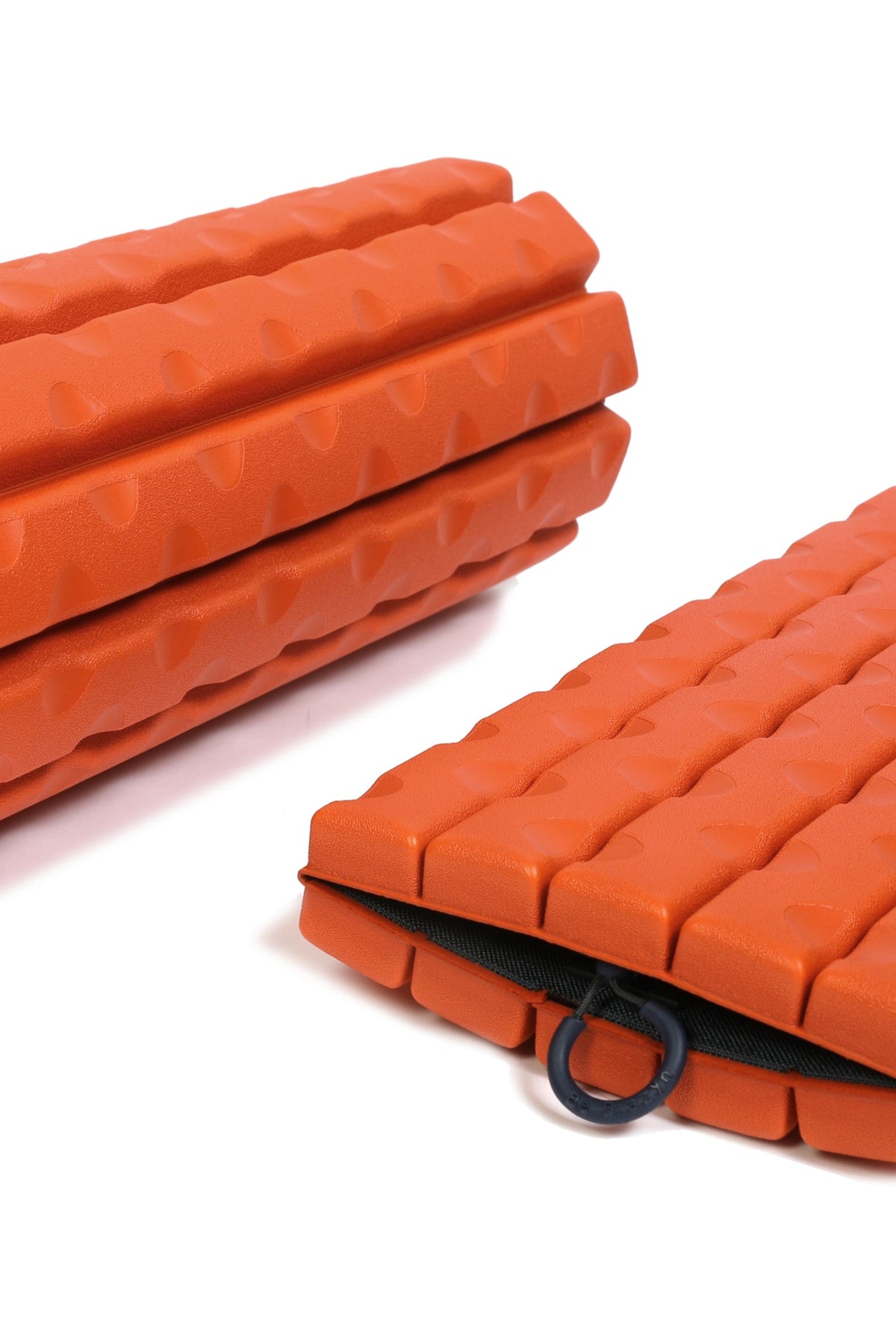
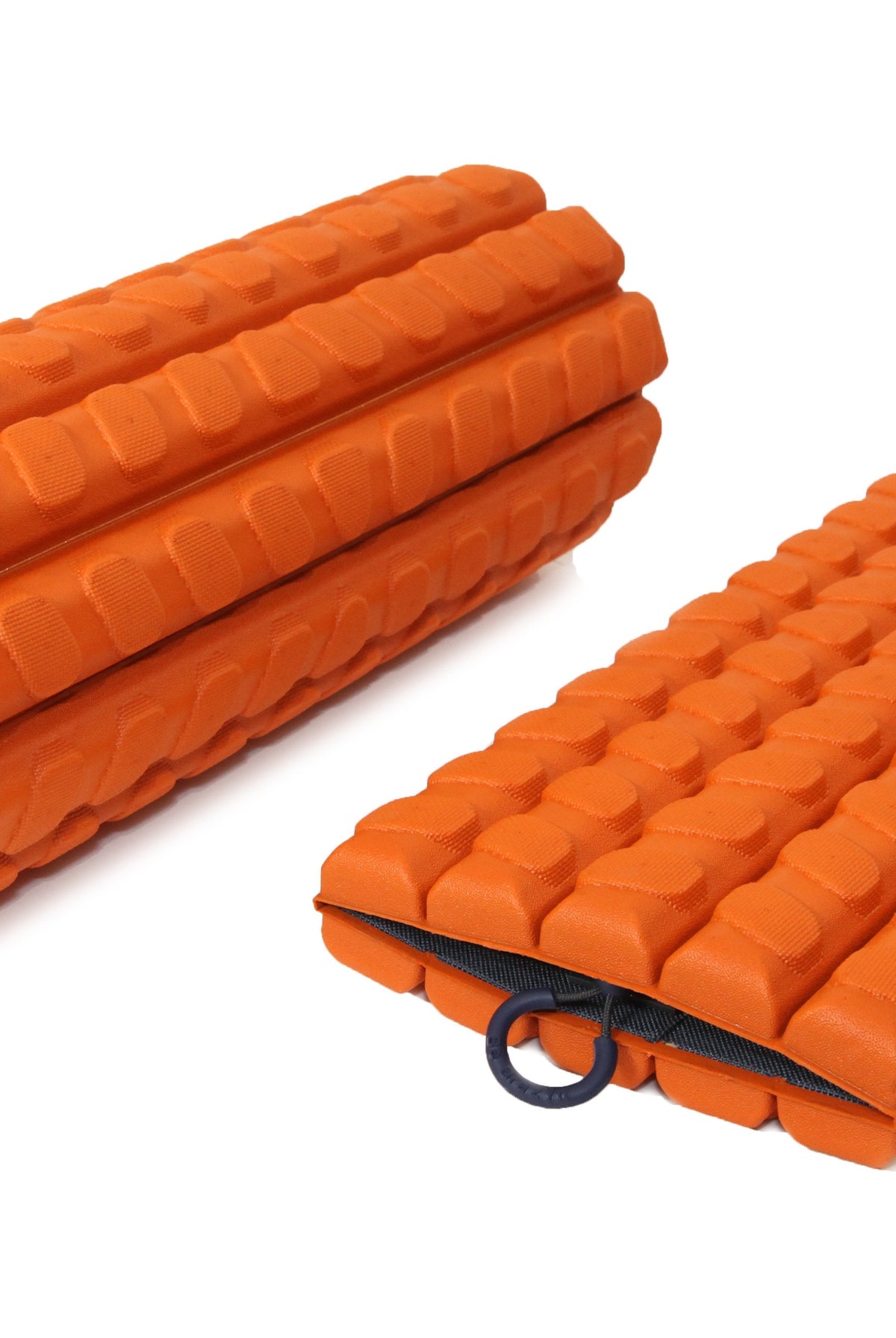
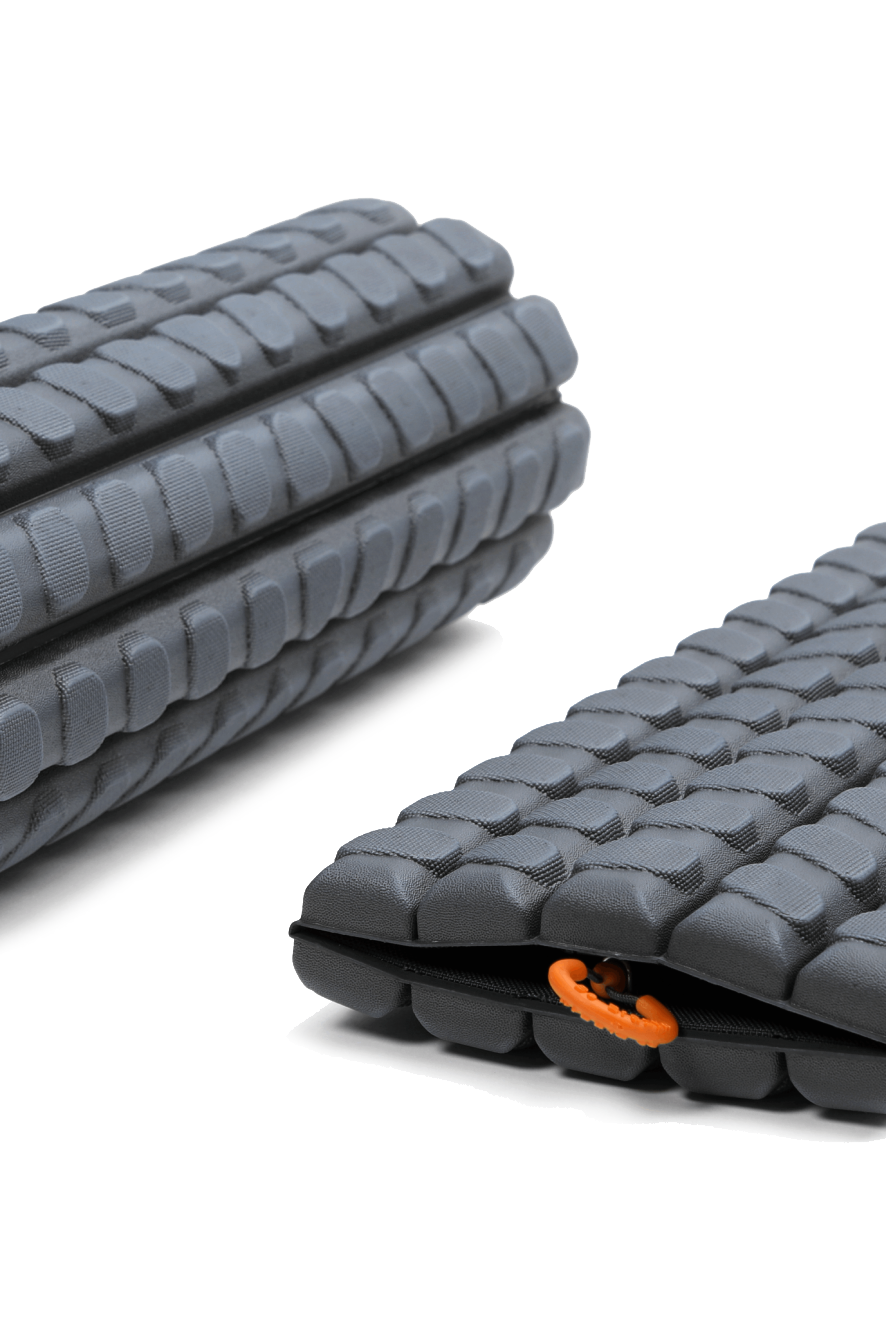
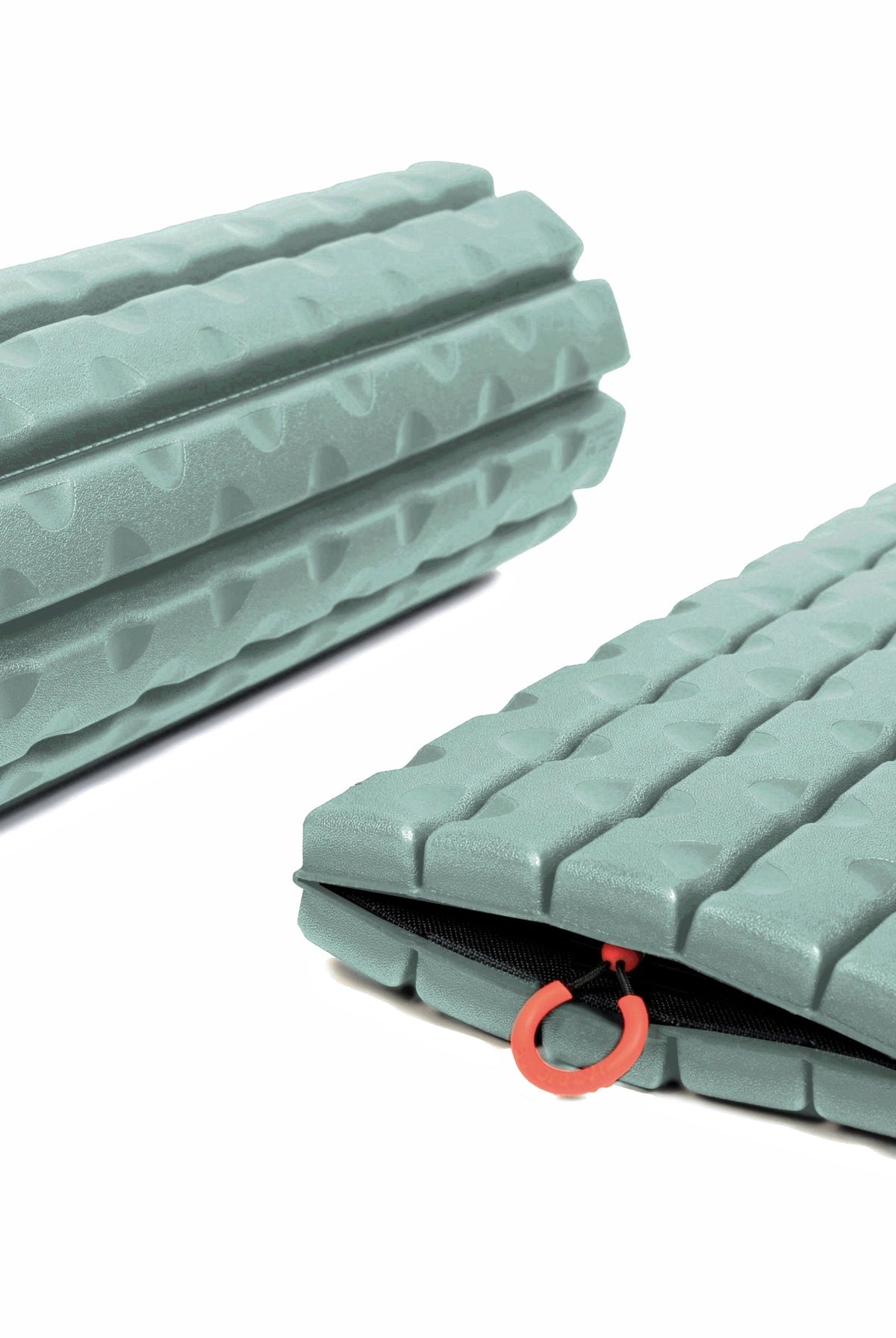
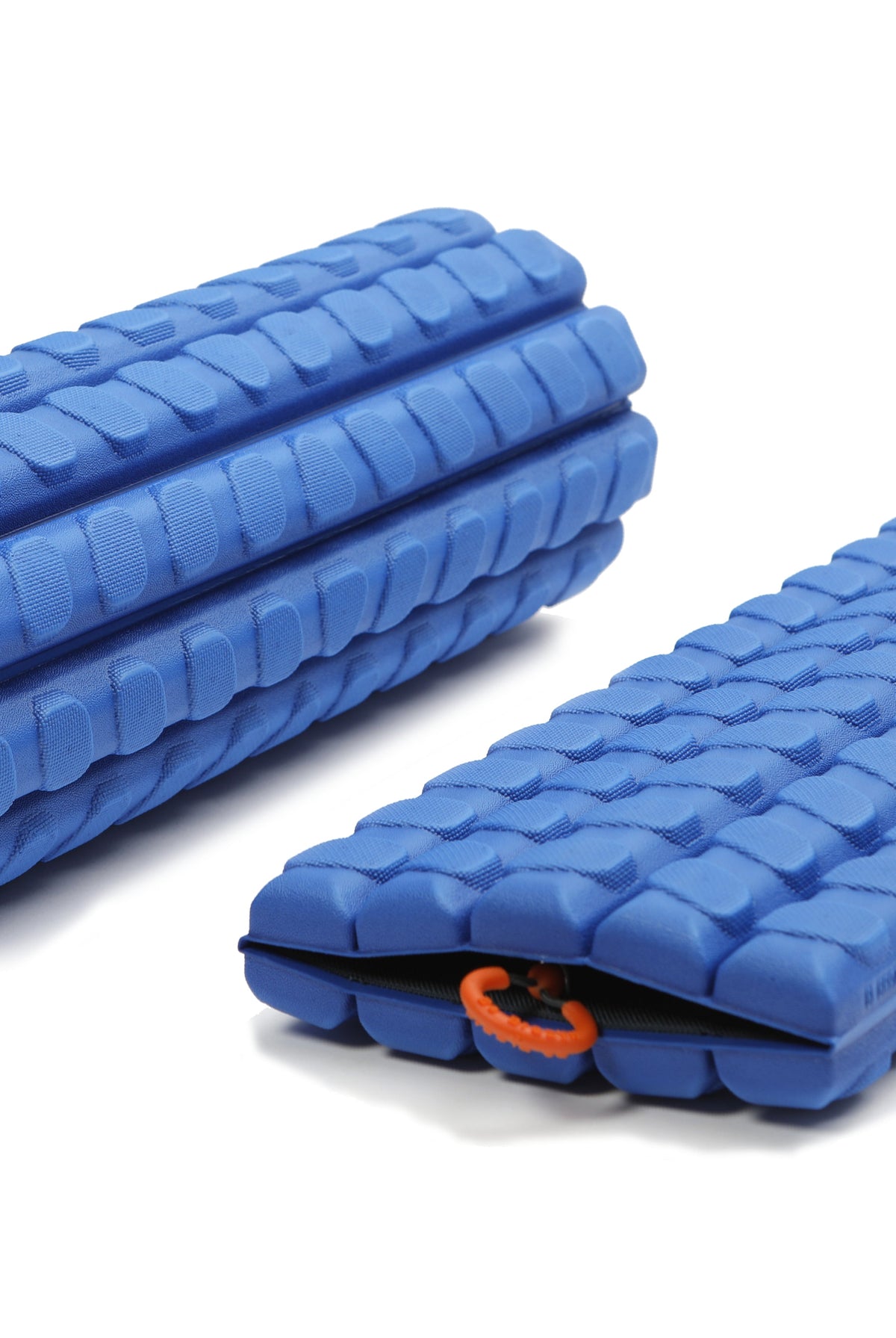
Created by a Physical Therapist, Angglz is a patented portable knee rest that provides adjustable support beneath your knee while sitting.
Its lightweight, foldable design makes it easy to bring along on road trips, daily commutes, and other travel.
Instead of relying on a rolled-up sweatshirt or trying to find somewhere to prop your leg, Angglz gives your knee a dedicated place to rest.
Important: Angglz should only be used in a vehicle when it can be positioned safely. Drivers must maintain full, unobstructed control of the pedals. If the product affects your ability to drive safely, do not use it while driving.
4. Change Positions When It's Safe
Remaining in exactly the same position for several hours can contribute to discomfort.
Passengers can periodically adjust their leg position, straighten their knees when space allows, and gently move their ankles.
Drivers should keep their attention on the road and avoid any repositioning that interferes with vehicle control.
5. Plan for Your Recovery Needs
If you're traveling after a knee injury or surgery, comfort may require additional planning.
Consider how long you'll be sitting, how frequently you can stop, and any positioning or movement recommendations from your healthcare provider.
If you've recently had knee surgery, speak with your surgeon or physical therapist before a long trip. Driving restrictions, swelling management, and safe travel timing depend on your procedure and recovery.
6. Stay Hydrated and Keep Moving During Stops
Road trips make it easy to spend hours sitting with little movement.
Keep water accessible, plan comfortable stops, and take opportunities to walk.
For longer journeys, movement is also important for circulation. Extended immobility can increase the risk of blood clots in some travelers, particularly those with additional risk factors.
7. Think Beyond the Drive
Your knees don't stop needing attention when you reach your destination.
You may spend additional hours sitting at restaurants, visiting family, attending events, or traveling home.
Building comfortable movement and sitting habits into the entire trip can be more useful than focusing on the car ride alone.
The Missing Piece in Your Road Trip Comfort Setup
Think about everything people bring to make road trips more comfortable.
Neck pillows. Lumbar cushions. Travel blankets. Seat cushions.
But knee support rarely makes the packing list.
Angglz was created to change that.
As the first patented portable knee rest, Angglz offers a different approach to sitting comfort: giving your knee its own dedicated support.
With two adjustable positions and a compact design, it's made for the hours spent sitting between the activities you love.
And because it folds up, you can take it from the car to your next stop without needing a separate setup.
Frequently Asked Questions About Knee Pain While Driving
Why does my knee hurt after driving for an hour?
Knee discomfort after driving may be related to prolonged bending, limited movement, your seating position, or an underlying knee condition. Taking movement breaks and adjusting your seating setup may help. Persistent or worsening pain should be evaluated by a healthcare professional.
How can I prevent knee stiffness on long car rides?
Try adjusting your seat for comfortable positioning, taking regular walking breaks, and changing leg positions when it's safe. Dedicated knee support may also help some people find a more comfortable seated position.
Is it bad to keep your knees bent during a long drive?
Bending your knees is a normal movement, and there is no single ideal knee angle for everyone. However, remaining in one position for long periods can contribute to stiffness or discomfort, particularly if you already experience knee problems.
Can I use a knee rest in the car?
A portable knee rest may be useful for seated passengers when it fits safely and does not interfere with seat belts or vehicle safety features. Drivers should never use a knee rest in a way that interferes with pedal control or safe driving.
Why do my knees hurt more when I get out of the car?
After prolonged sitting, the transition to standing and walking can make existing stiffness or knee discomfort more noticeable. Pain around the kneecap, arthritis, and previous injuries are among the possible contributing factors.
What should I pack for a road trip if I have knee pain?
Consider comfortable footwear, water, any clinician-recommended recovery supplies, and a plan for regular movement breaks. A portable knee rest such as Angglz may be a helpful addition for comfortable seated support when used safely.
Don't Let Knee Pain Decide How Far You Go
The best part of a road trip should be everything you experience along the way—not the relief of finally getting out of the car.
Long drives can be challenging for your knees, but thoughtful seat positioning, regular movement, and dedicated support can help make the journey more comfortable.
Your car seat may not have been designed with your knees in mind. Angglz was.