Every fall, the same sentence starts showing up in my clinic.
"I finally met my deductible, so I am getting the knee done before January."
It makes sense. If you have already paid toward your insurance for the year, a knee surgery you have been putting off can cost a lot less in November or December. Many people also have time off around the holidays, which feels like the right window to recover.
What most people plan for is the surgery itself. The ride to the hospital. The crutches. The first few PT appointments.
What almost nobody plans for is the chair they are about to spend the next six weeks in.
As a licensed physical therapist with 15 years of clinical experience, I can tell you that how you sit during knee surgery recovery matters more than most patients expect. And the best time to figure it out is before surgery day, not after.
Most of Your Recovery Happens Sitting Down
Here is the math nobody mentions at the pre-op appointment.
You might see your physical therapist two or three times a week for about an hour. Your home exercises might take another 30 minutes a day. The rest of your waking hours are spent somewhere else.
For most people recovering from an ACL reconstruction, a meniscus repair, or a knee replacement, that somewhere else is a couch, a recliner, or a desk chair. During the holidays, add a long dinner table and a few hours in the car to see family.
Every one of those seats bends your knee to roughly 90 degrees and leaves your lower leg hanging. That position was never designed with a healing joint in mind. (I wrote more about this in The 90° Problem.)
What Sitting Asks of a Knee That Was Just Operated On
After surgery, the knee is handling several things at once. Sitting the wrong way makes each of them harder.
Swelling limits how far the knee wants to bend. Fluid in and around the joint takes up space. Holding a deep bend for hours compresses that fluid and leaves the knee tight and achy when you finally stand.
The quadriceps go quiet. After almost any knee procedure, the brain turns down its signal to the quads to protect the joint. This is called arthrogenic muscle inhibition. With the quads not doing their full job, the patellofemoral joint behind the kneecap takes more stress in a bent position.
Getting the knee straight is a priority. After many knee surgeries, and especially a knee replacement, regaining full extension is one of the first goals. A knee that spends all day bent can make that goal harder to reach.
Circulation slows behind the knee. The popliteal space carries major blood vessels and lymphatic pathways. When the knee stays folded with nothing under the lower leg, fluid drains more slowly and the whole leg feels heavy.
None of this means sitting is off limits. It means the way you sit becomes part of your rehab. If you are already past surgery and feeling this, Why Sitting Feels So Hard After a Knee Injury goes deeper on the science.
Preparing for Knee Surgery at Home: Set Up Your Recovery Space
I give my pre-op patients a simple checklist. Do it a week or two before your procedure, while you are still moving easily.
- Pick your main chair. A firm seat with armrests is easier to get in and out of than a deep, soft couch.
- Clear your paths. Move rugs, cords, and clutter between your chair, the bathroom, and the kitchen.
- Keep essentials within reach. Phone charger, water, medications, ice packs, and your exercise sheet should all be at arm's length.
- Plan to support the lower leg, not the knee. A pillow wedged behind the knee feels good in the moment, but it keeps the joint bent and works against regaining extension.
- Think about the ride home. If you will be a passenger on the drive home or on a holiday trip, plan how you will support your leg there too.
- Ask your surgeon about elevation. For significant swelling, your care team may want you lying down with the leg raised above your heart. Follow their protocol.
The fourth point is the one I see missed most often. Patients do a great job preparing their homes, then spend six weeks with a throw pillow stuffed behind the knee.
Support the Lower Leg. Let the Knee Rest.
If you are wondering how to sit after knee surgery, the goal is simple. Give the lower leg a stable surface so the knee does not have to hold itself against gravity, and open the joint out of that deep 90-degree fold.
When the lower leg is supported:
- The quads can stop guarding and actually relax
- Pressure behind the kneecap eases
- Fluid has a better path out of the joint
- The knee spends less of the day locked in a bend
That is the kind of rest a recovering knee needs. Not a stack of pillows sliding off the ottoman. Not a footstool that only catches your heel. Structured support built around the way the joint is trying to heal.
That Is Exactly Why I Designed Angglz
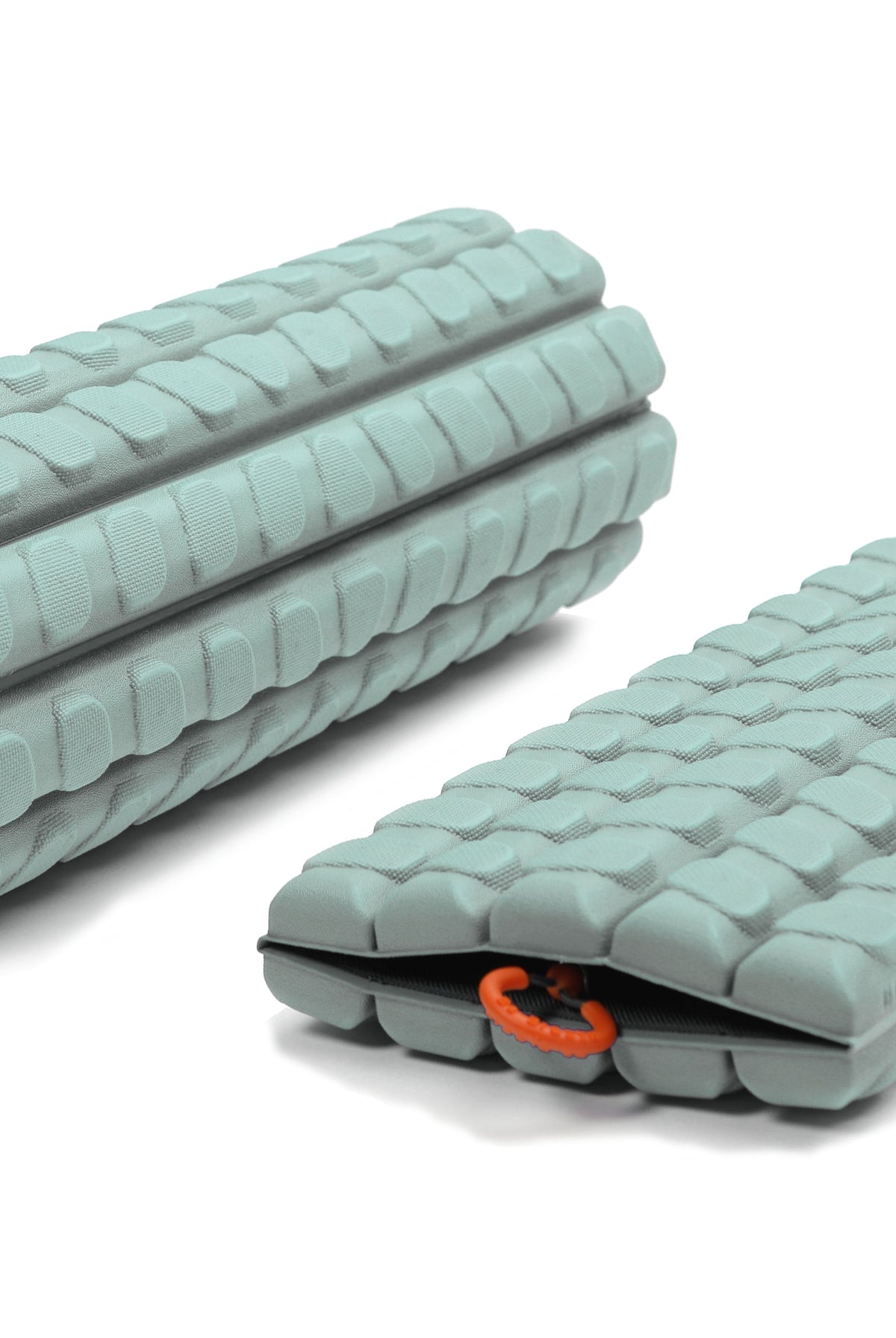
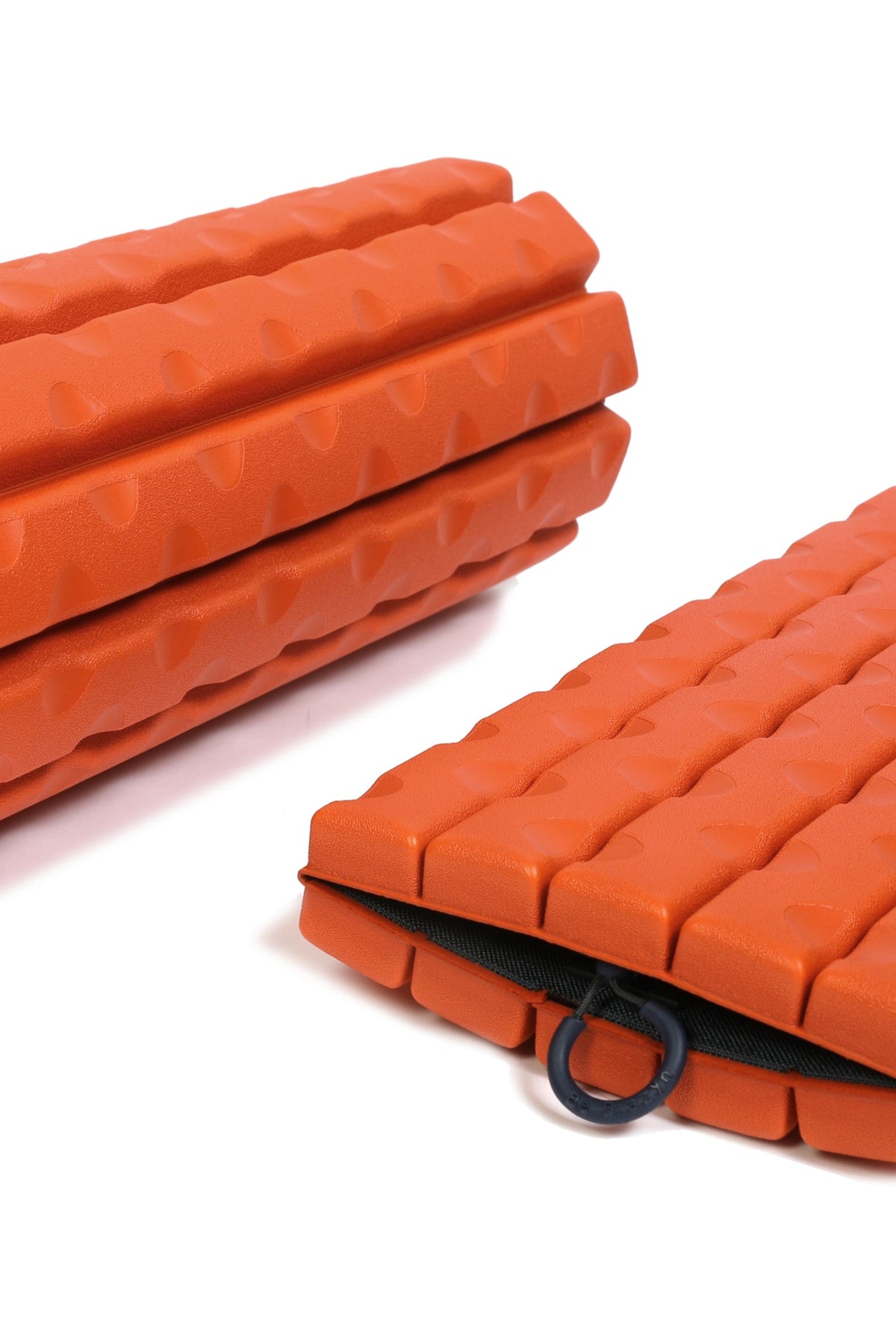
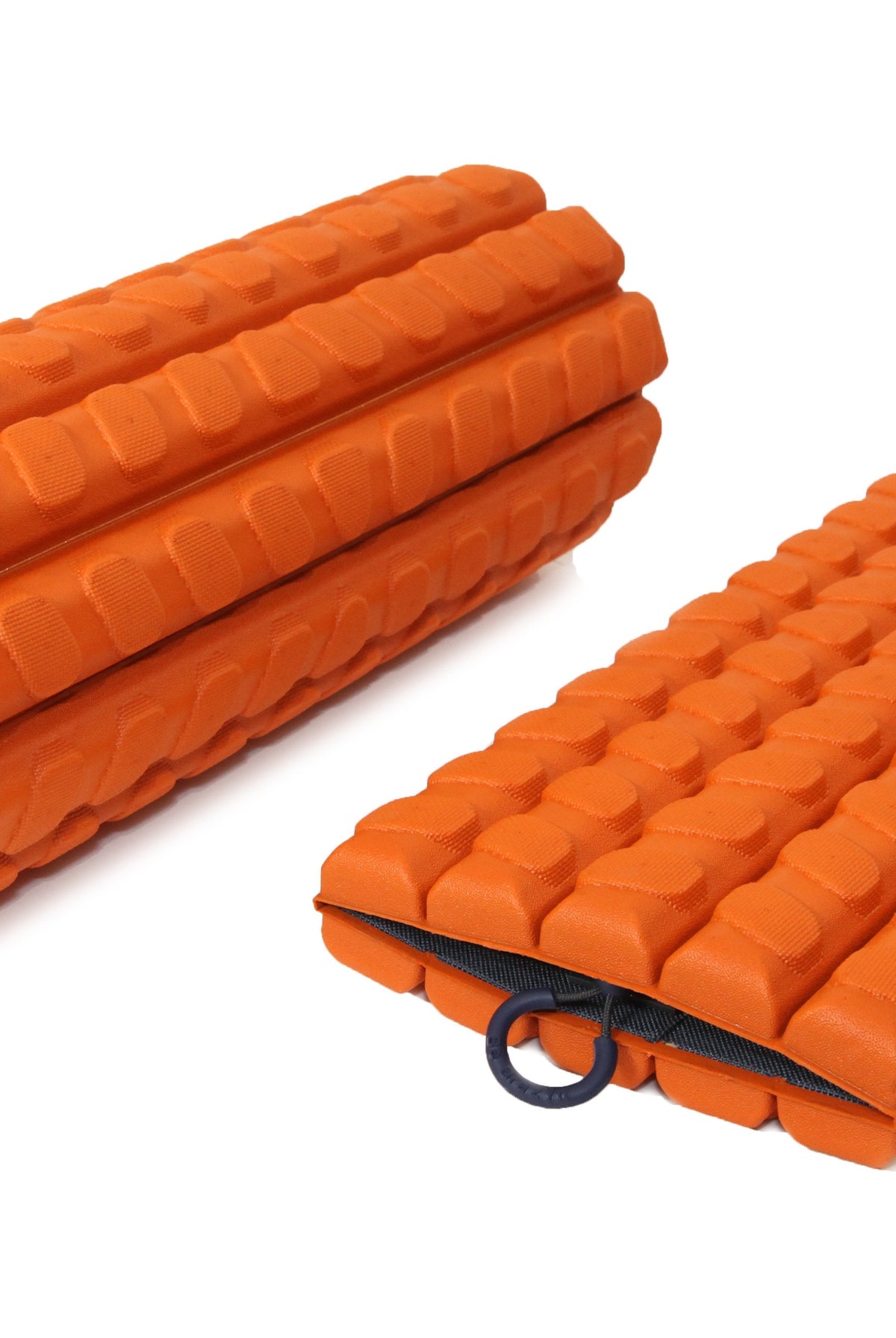
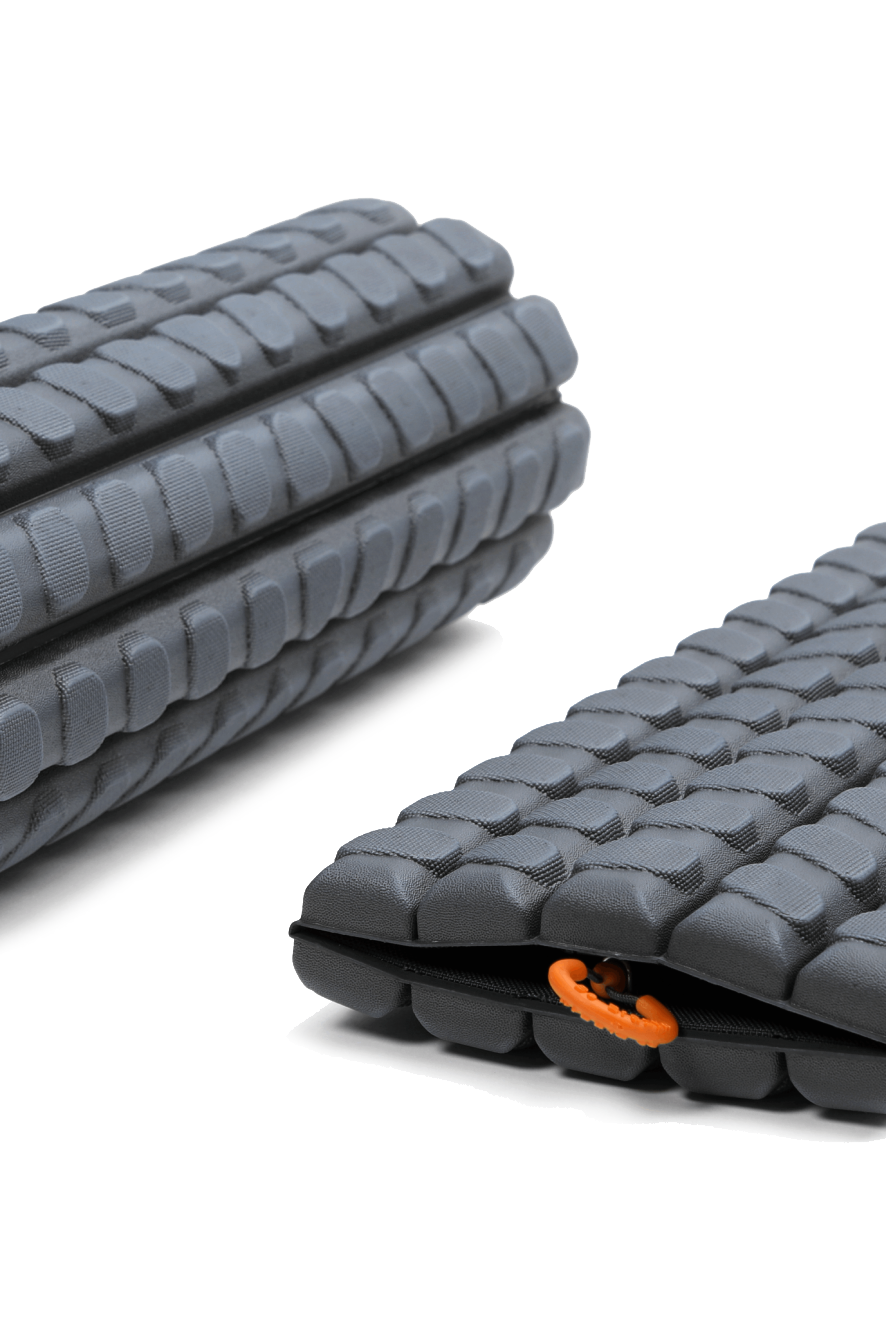
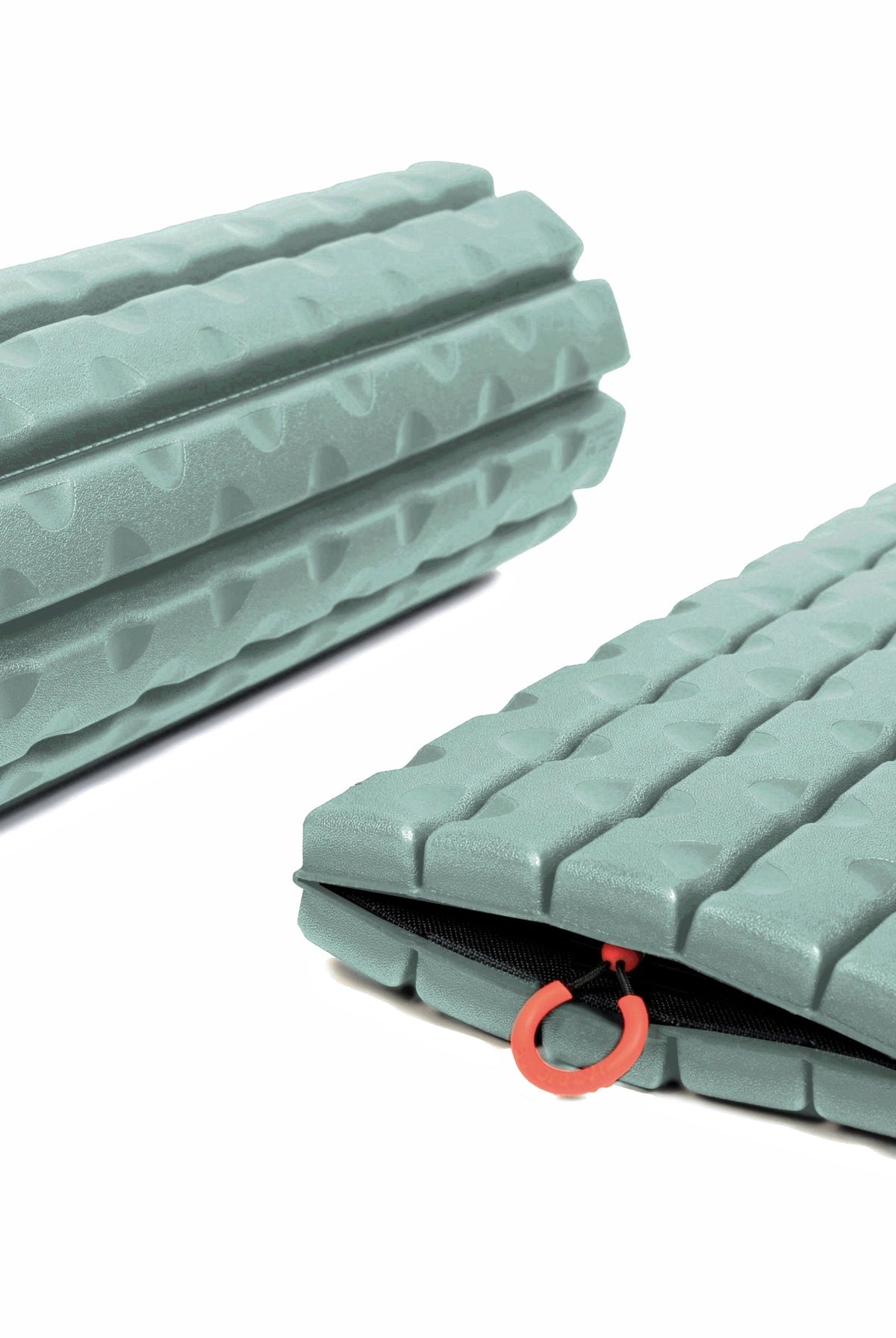
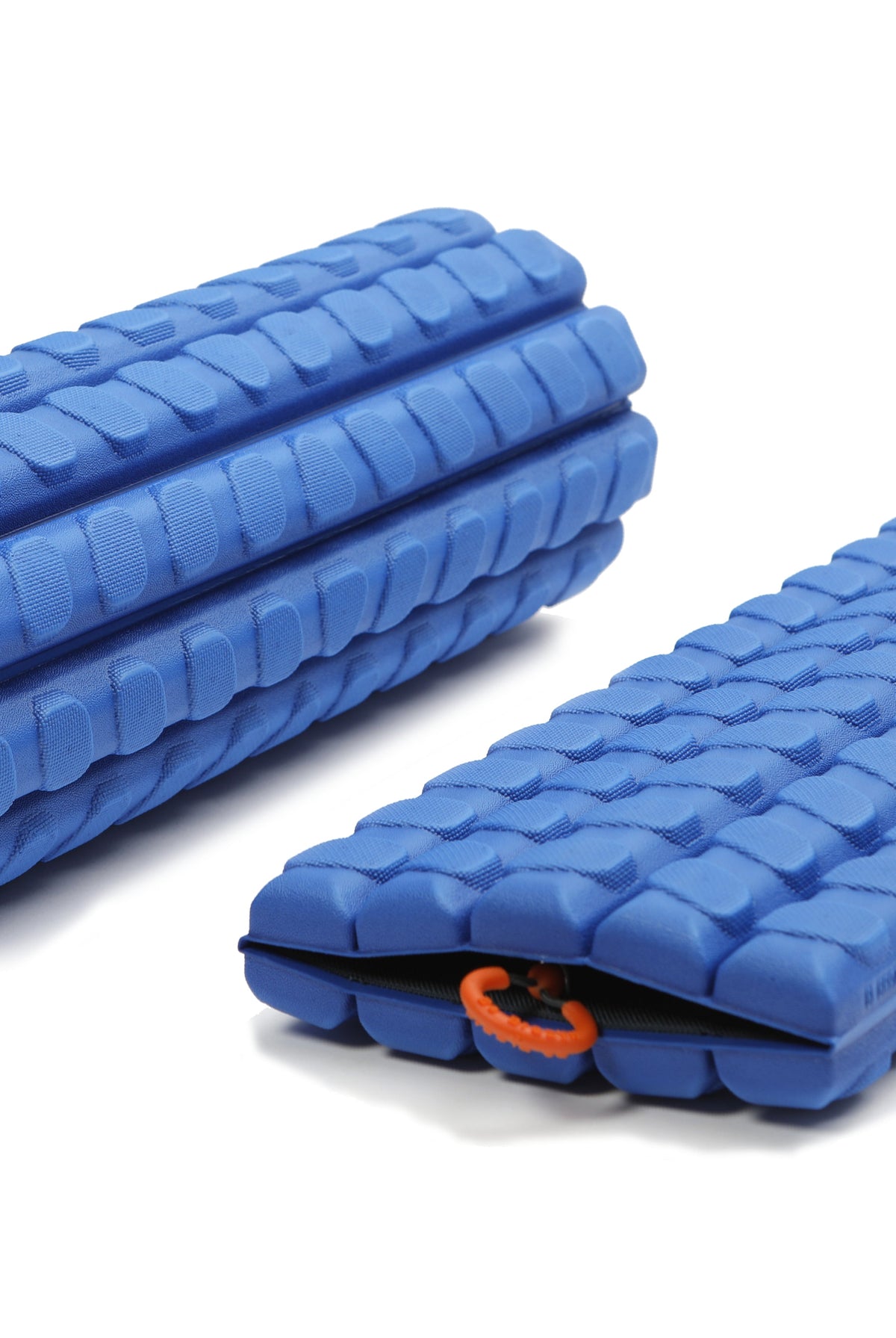
Angglz is a portable knee rest I created after years of watching patients try to rig this support on their own. It elevates and supports the lower leg so the knee can rest at a more open angle while you sit.
It adjusts between two angles, so you can match it to your stage of recovery and the seat you are in. It is light enough to move from the couch to the desk to the passenger seat (never while you are driving), which matters when your recovery overlaps with holiday travel. If you are taller, Angglz Tall gives you a wider fit with extra support.
In March 2026, Angglz was awarded U.S. Design Patent No. D1118948, making it the first patented portable knee rest of its kind.
If you are preparing for knee surgery this month, put Angglz on the list before surgery day. You will want it set up the first time you sit down at home.
The Prep That Pays Off All Winter
You scheduled the surgery. You cleared the calendar. Now set up the place where most of your healing will actually happen.
Plan ahead. Sit smarter. Recover on your terms. Designed by a PT, for the knee that needs it most.