Your chair has your back. Literally.
You did your research. You found the chair with the mesh back, the adjustable armrests and the lumbar support that hugs you just right. Maybe it cost more than your first car payment.
So why do your knees still feel stiff when you stand up after a long meeting?
As a physical therapist, I hear this all the time. And the answer is simpler than you'd think: most ergonomic chairs were designed around your back. Your knees were never really part of the plan.
Let's break down the difference between an ergonomic chair and an ergonomic tool, and which one your knees actually need.
What an ergonomic chair actually does
A good ergonomic chair is built to support your whole body in one position: sitting upright at a desk. Most focus on:
- Your spine: lumbar support to keep your lower back's natural curve
- Your posture: seat height and tilt so your hips sit level or slightly above your knees
- Your arms and shoulders: armrests that keep tension out of your neck
That's great for your back. But look at what the standard setup asks of your knees: feet flat on the floor, knees bent at about 90 degrees. For hours.
For healthy, happy knees, that may be fine. But for a knee that's recovering, stiff after a workout or carrying an old injury, holding one bent angle all day isn't support. It's just a position.
And there's one more catch. Your chair stays at your desk. It doesn't come with you in the car, on the plane or to the waiting room.
What ergonomic tools do
Ergonomic tools work differently. Instead of trying to support your whole body in one seat, each one supports one specific part of you, wherever you happen to sit.
You probably already use a few:
- A lumbar pillow for your lower back
- A neck pillow for long flights
- A footrest under your desk
- A wrist rest in front of your keyboard
Tools are targeted, portable and usually a fraction of the price of a new chair. They make the seat you already have work better for your body.
Which raises a fair question: we've got tools for our backs, necks, feet and wrists. So what's supporting our knees?
Where your knees fit in: the 90-degree problem
Here's what I've seen in 15 years as a PT: people do everything right for their knees while they're moving. They stretch, strengthen, ice and wear the sleeve. Then they sit down, and the support stops.
Almost every seat, from a $1,000 office chair to a car seat to an airplane row, holds your knees bent at roughly 90 degrees. Your knees weren't made to sit locked in that angle for hours, especially when they're sore, stiff or healing.
That's where pressure can build. Stiffness can set in. Discomfort can linger long after you stand up.
I learned this firsthand. After a run, driving home with my IT band acting up, I tucked my fist under my knee without thinking. The angle changed, and I felt the difference right away. No new chair required.
That's the key insight: it isn't about the chair. It's about the angle.
Chair vs. tool: side by side
|
|
Ergonomic chair |
Ergonomic knee tool |
|
Main focus |
Back and posture |
Knee angle |
|
Where it works |
One desk |
Car, desk, plane, couch, waiting room |
|
Knee position |
Bent at about 90 degrees |
Changes the angle so knees can rest |
|
Portability |
Stays put |
Goes where you go |
|
Typical cost |
Hundreds to over $1,000 |
A fraction of that |
|
Best for |
All-day desk posture |
Active, stiff or recovering knees |
The honest answer? You don't have to choose. A good chair and a good knee tool work together: one supports your back, the other supports your knees.
PT tips for knee-friendly sitting, anywhere
Whatever you're sitting in, these habits help:
- Change your angle. Avoid holding your knees at 90 degrees for hours. Let them open up and rest at a gentler angle when you can.
- Take movement breaks every 30 minutes. Stand, walk to refill your water or do a few gentle knee bends.
- Don't cross your legs for long stretches. It adds pressure and twists the knee.
- Plan for the sitting after the activity. The car ride home from tennis or the flight after a race is when your knees need support most.
- Bring your support with you. If it only lives at your desk, it can't help you in the car or on the plane.
If you have ongoing knee pain or you're recovering from surgery, check in with your physical therapist or doctor about what's right for you.
Seats don't support your knees. We do.
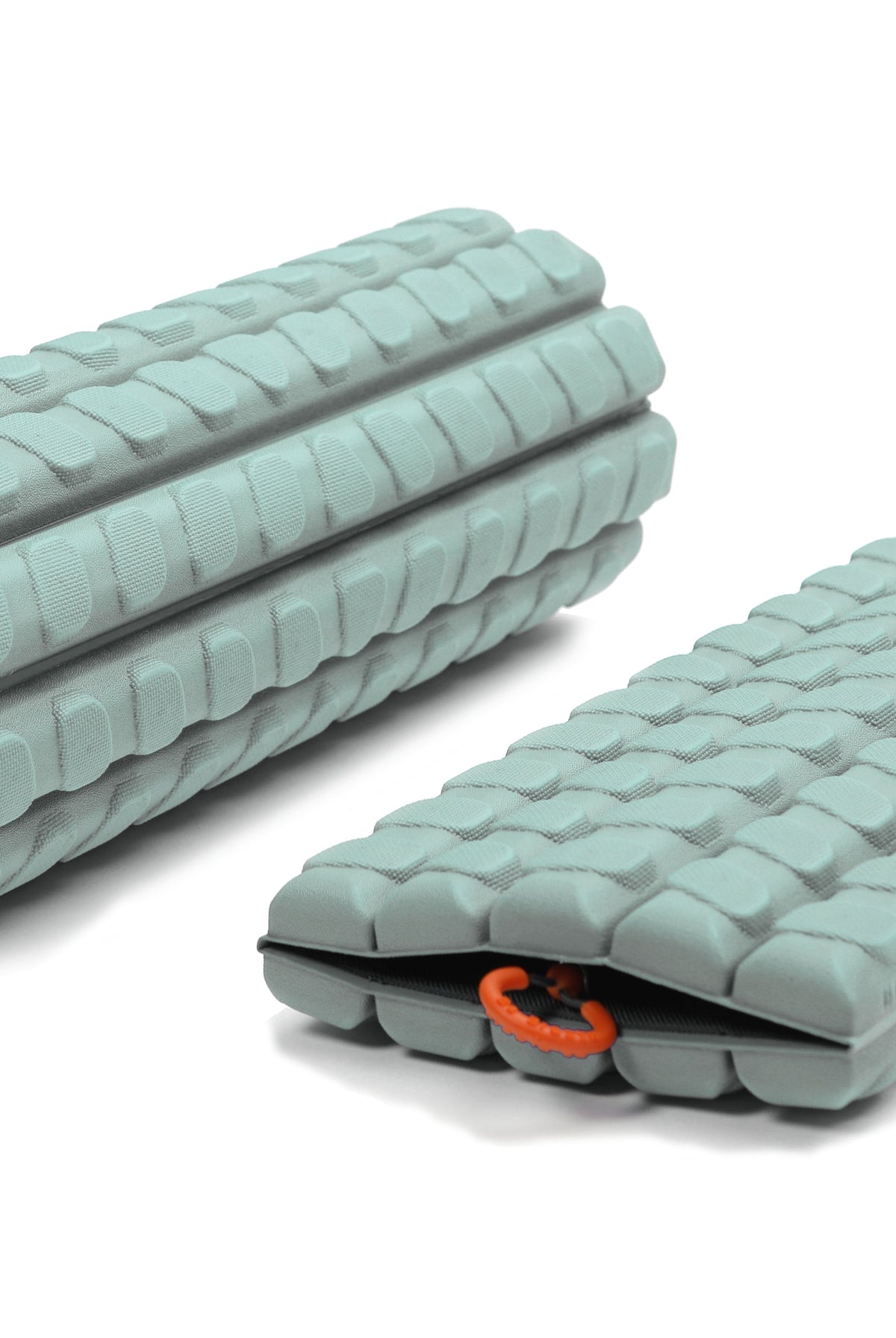
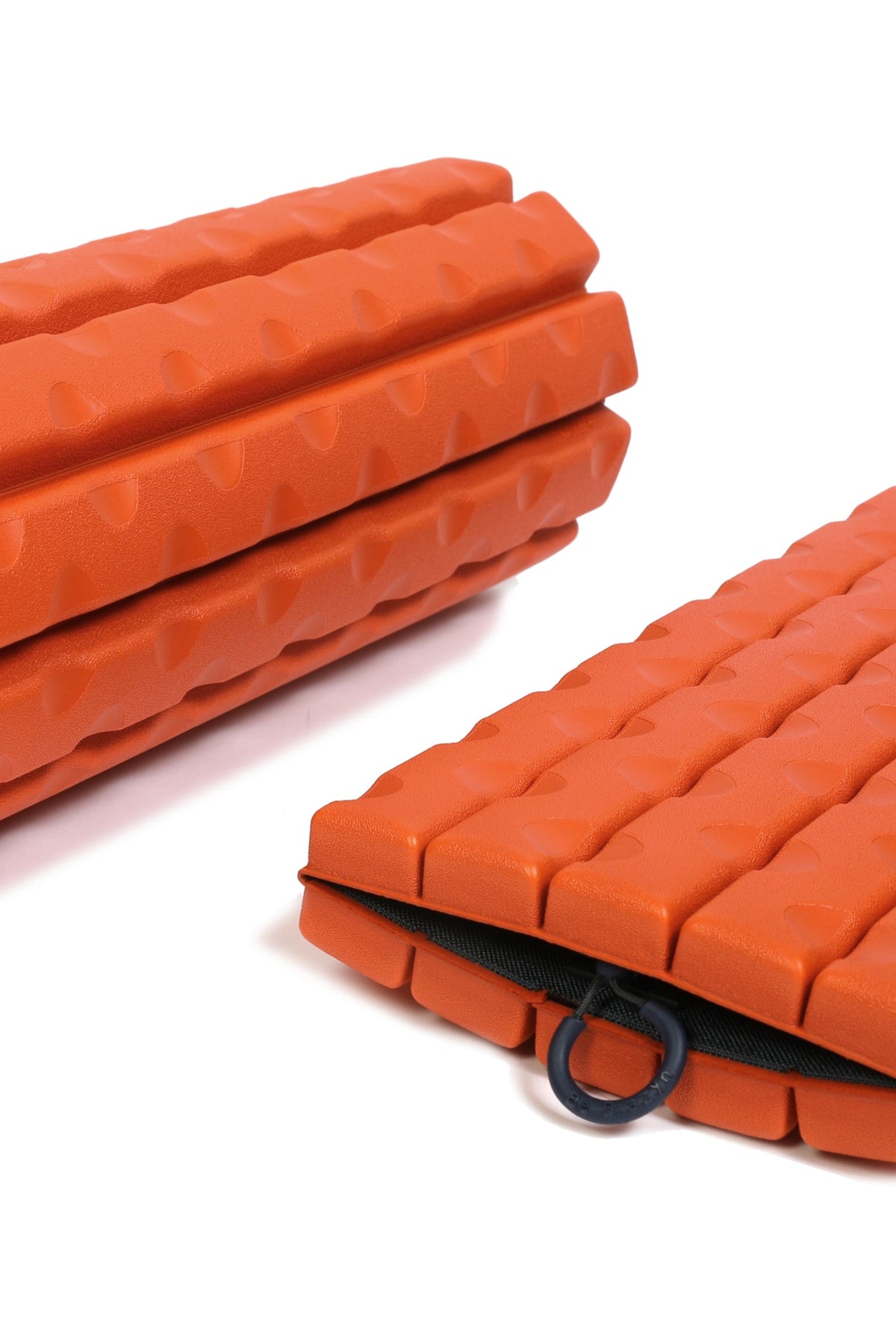
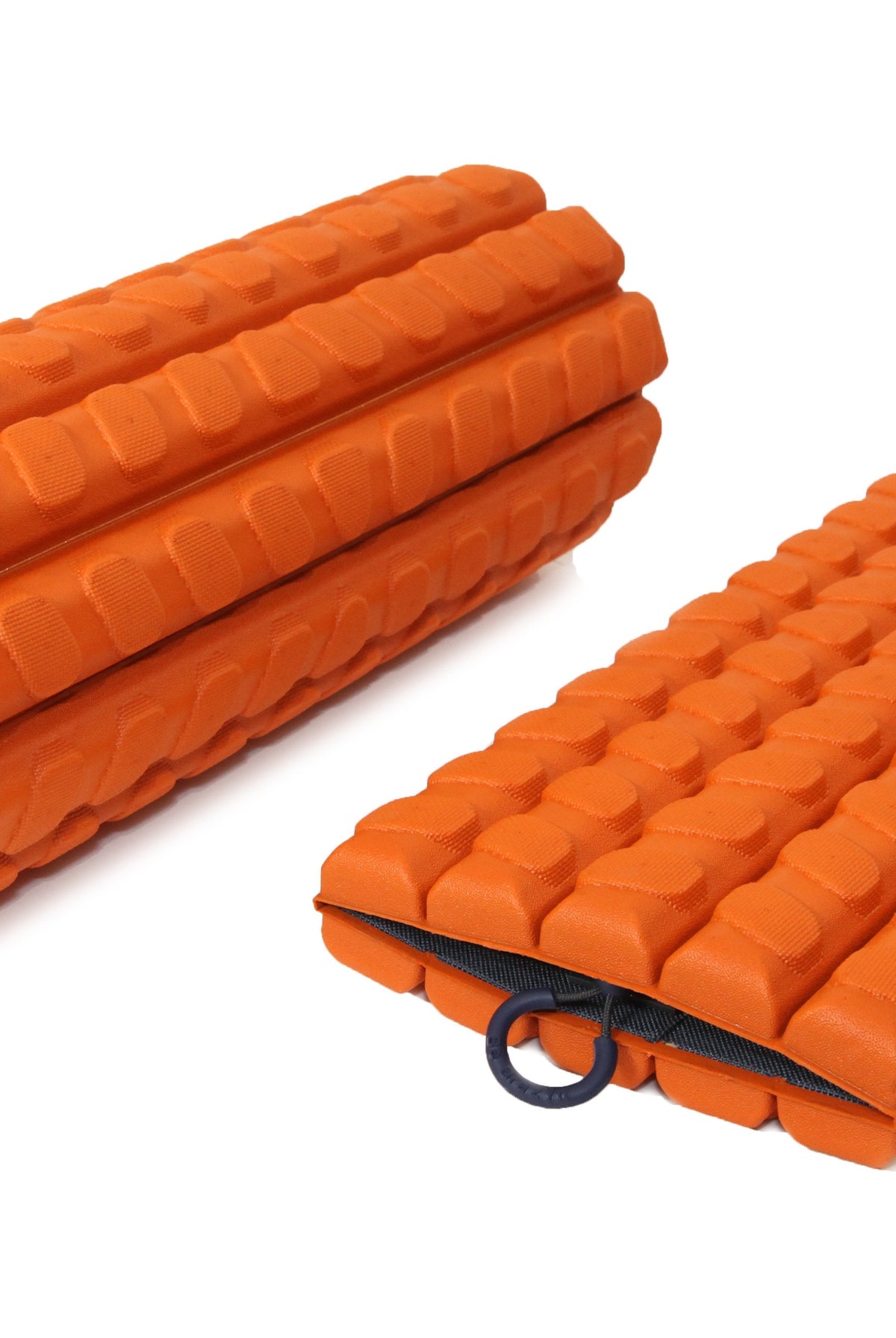
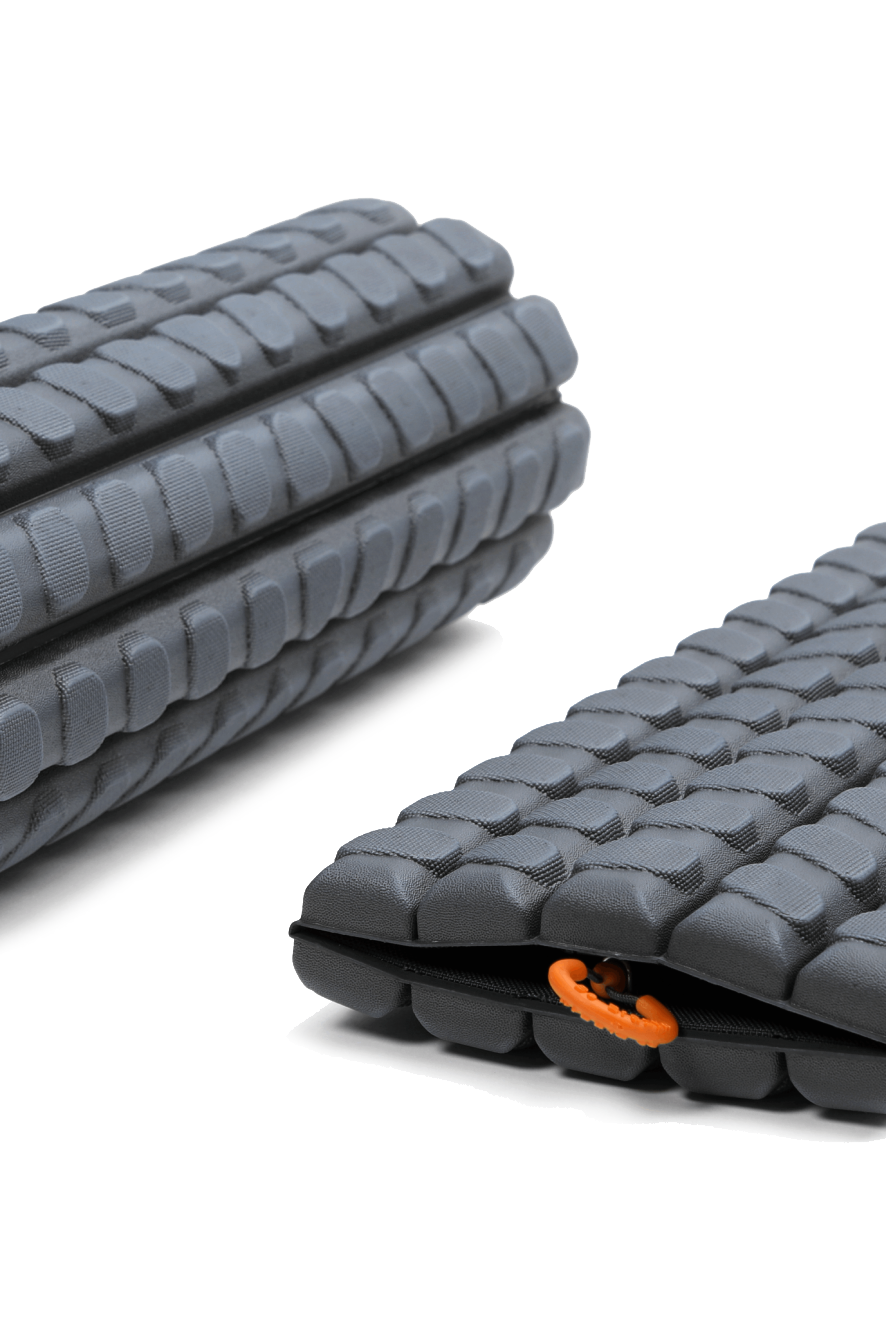
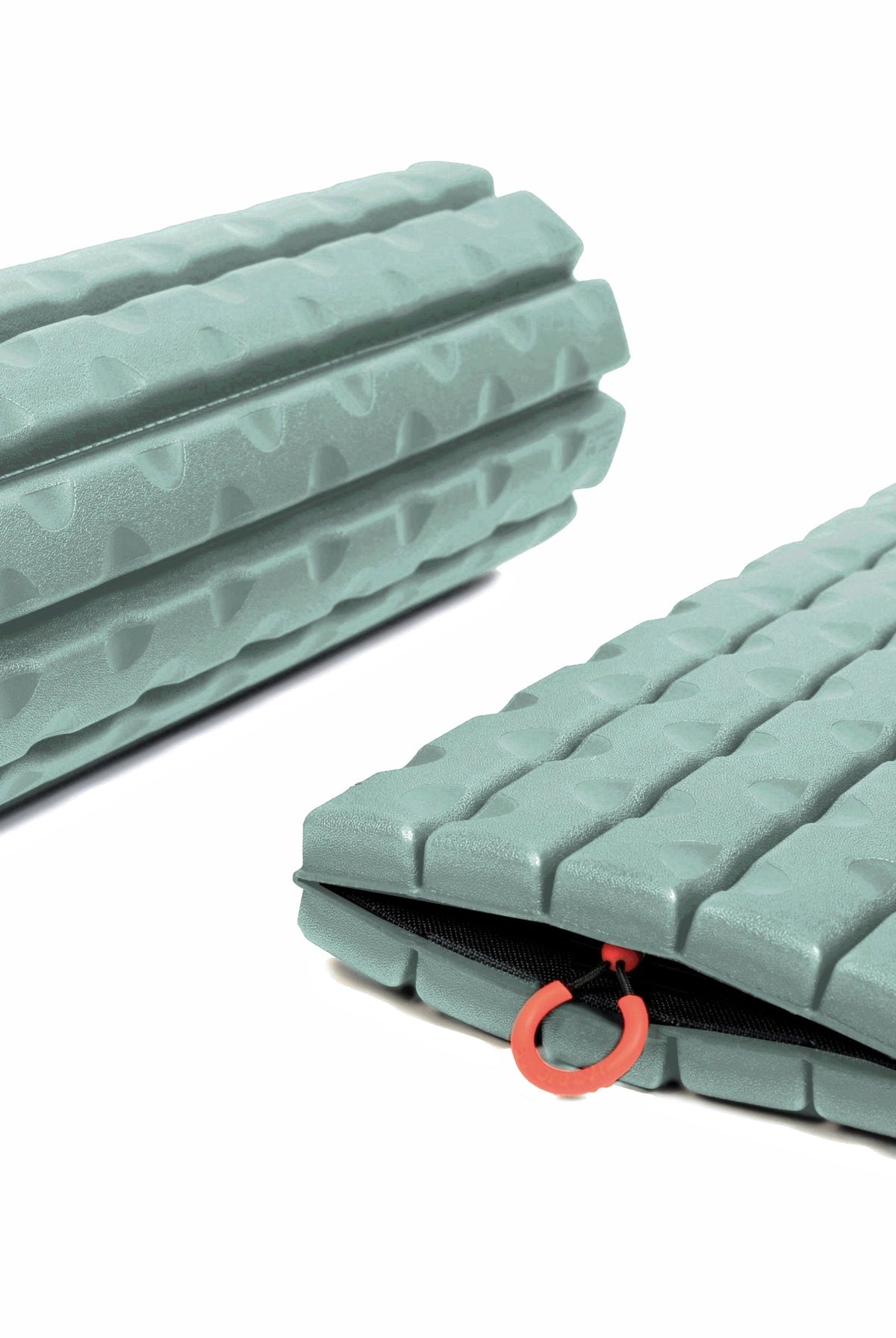
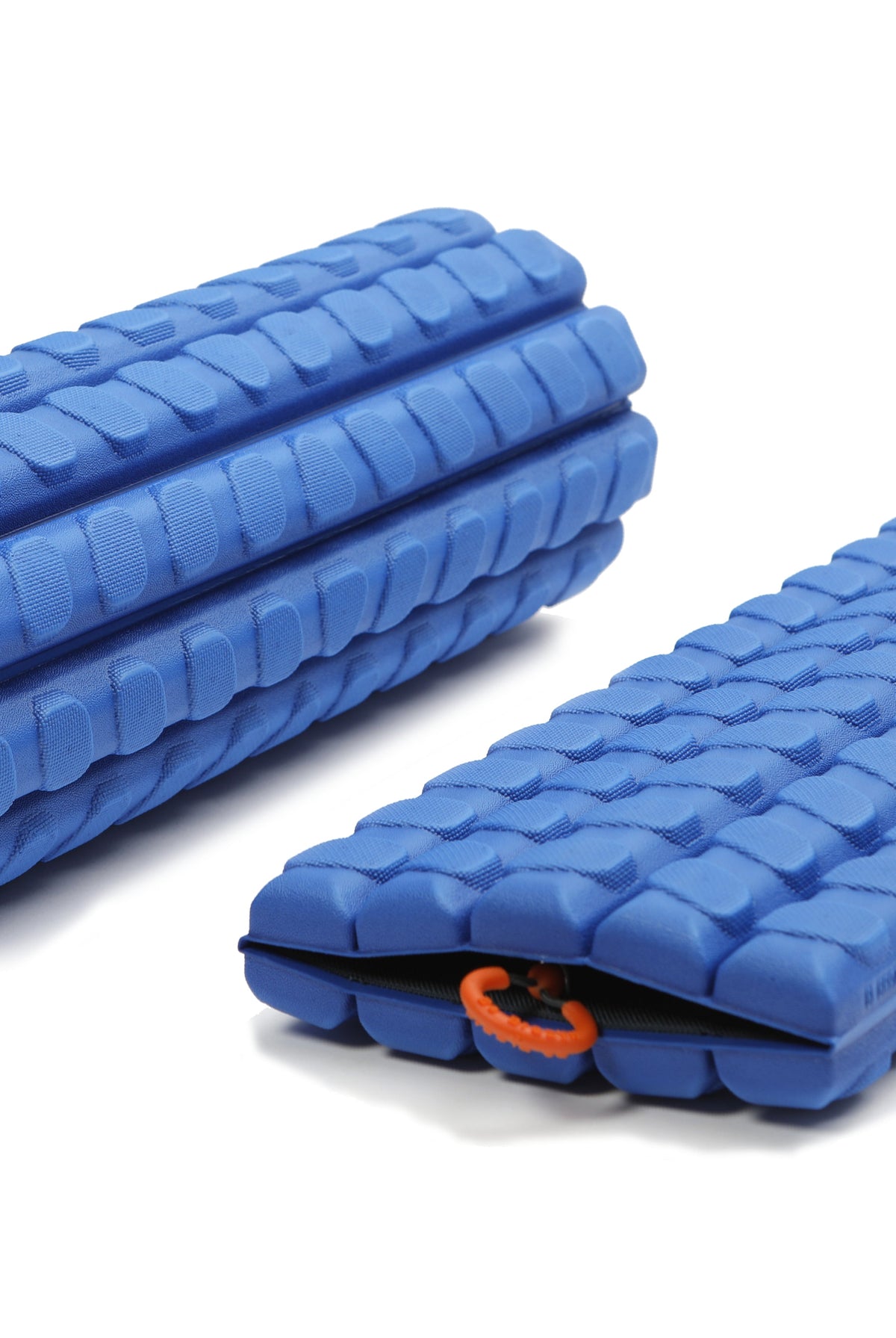
That fist-under-my-knee moment is what led me to create Angglz, the first patented portable knee rest. Think of it as a lumbar pillow for your knees: it changes the angle your seat locks them into and gives them a place to rest.
It works with the chair you already have, and it comes with you to all the seats that don't come with a PT's seal of approval: the car, the plane, the bleachers and the conference room.
Your chair has your back. Now your knees have something too.
Relief begins when angles change.®